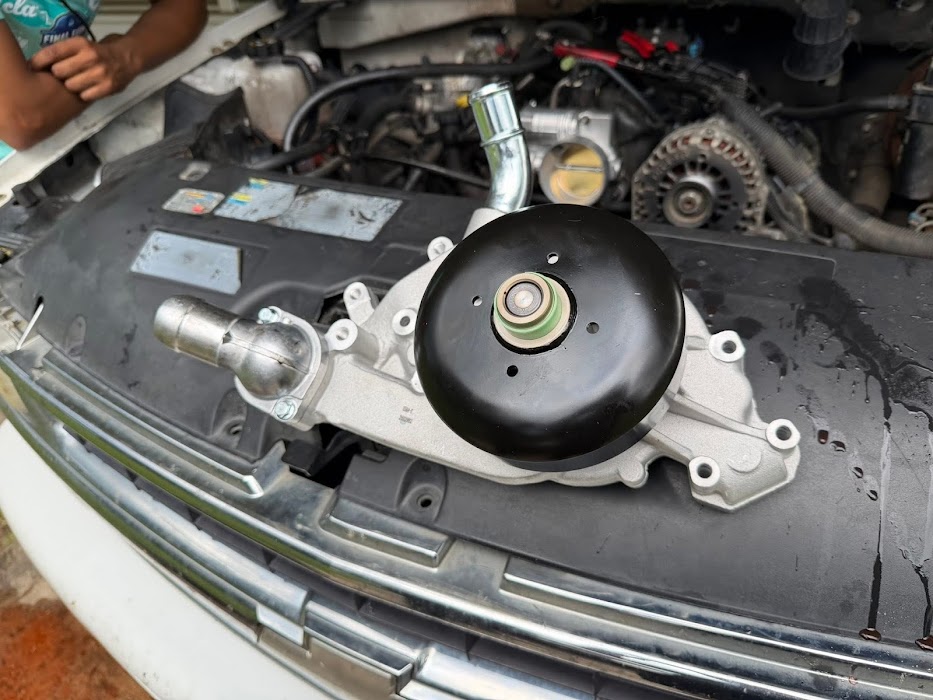
Your engine runs on a careful mix of fuel, air, and spark, all timed and controlled by sensors and a small computer. When one of those sensors drifts out of range, or a part starts to fail, the computer usually notices and stores a code. That stored code is what trips your check engine light. A lot of drivers assume the light means something is seriously wrong right now, but it just means the computer saw something outside normal range at some point. The light itself does not hand you the fix. It points us toward the system having trouble, whether that is fuel, ignition, emissions, or something mechanical like a vacuum leak. Figuring out which one takes more than just reading the code, which is where real diagnostic work starts.
Signs You Need Engine Diagnostics
- Check engine light is on, steady or flashing
- Engine shakes or runs rough at idle
- Car hesitates or stumbles when you accelerate
- Noticeably worse gas mileage than usual
- Engine stalls out at stops
- Unusual smells or smoke from under the hood
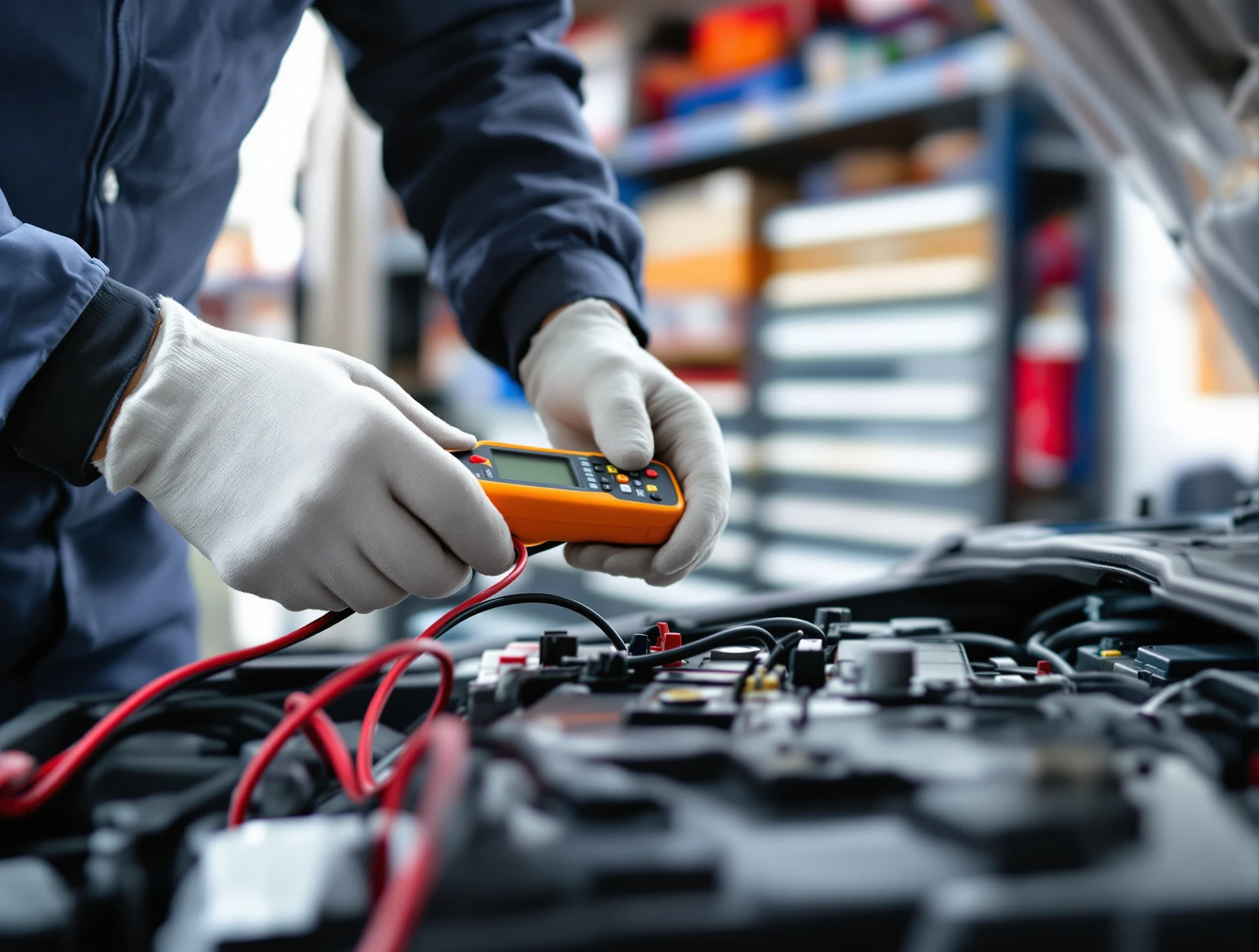
We start every job by pulling the stored codes with a scan tool, but we do not stop there. Codes point to a system, not always the exact failing part, so treating a code as the final answer can lead to replacing parts that were never the problem. We check live data from the sensors while the engine runs, which shows us what is actually happening in real time instead of just a snapshot. We also look at freeze frame data from the moment the code was set, and we do a visual inspection of wiring, vacuum lines, and related parts. This combination is how we tell the difference between a sensor that is actually bad and a wiring problem that is only making a good sensor look bad.
Once we narrow things down to the actual cause, we walk you through what we found and what it will take to fix it. Depending on what is failing, that might mean replacing a sensor, cleaning a corroded connector, repairing a vacuum leak, or tackling something larger if the problem has spread. We do not just hand you a part name and send you on your way. After any repair tied to the diagnostics, we clear the stored codes, run the engine, and watch the live data again to confirm the problem is actually gone. This step matters because clearing a code without fixing the cause just delays the light coming back on, sometimes days or weeks later.
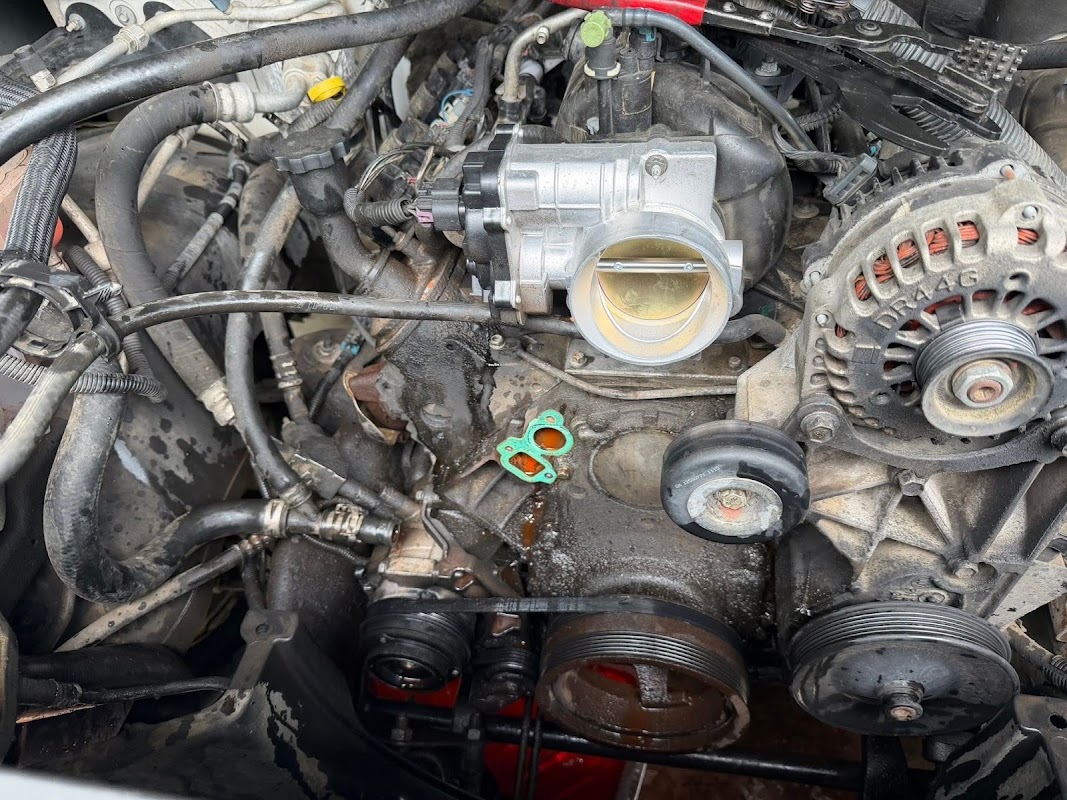
A simple sensor issue is usually a smaller, more contained job since it often involves one part and a clear cause. Things get bigger when the diagnostics point to something like a failing ignition coil, a fuel delivery problem, or damage that built up because an earlier issue went unaddressed for a while. A small vacuum leak ignored long enough can throw off fuel trims and stress other components. Intermittent problems add another layer of difficulty. These are the ones that come and go, show up on the highway but vanish by the time the car is checked, and they can take more time to pin down. Sometimes we need to see the issue happen live or review recorded data over an actual drive before we can point to a cause with confidence.
If your check engine light comes on steady and the car is otherwise running fine, accelerating normally, no odd noises, it is usually okay to keep driving carefully and get it looked at soon rather than pulling over immediately. The computer flagged something worth checking, but it is not signaling an emergency in that moment. A steady light still deserves attention though, since small issues left alone can turn into bigger repairs once other parts start compensating for the original problem.
A flashing check engine light is a different situation entirely and should be treated with more urgency. That flashing pattern usually points to an active engine misfire, which means unburned fuel is passing through the exhaust system. That unburned fuel can overheat and damage the catalytic converter, turning a manageable repair into a much bigger one. If the light starts flashing, the safest move is to stop driving as soon as it is safe to do so rather than continuing on to a destination.
Beyond the light itself, pay attention to anything else your senses pick up while driving. New smells, especially anything like gas, rotten eggs, or burning plastic, are worth noting. Visible smoke from under the hood or out the exhaust, along with any sudden loss of power or rough idling, should all be treated as more urgent than a basic steady check engine light. These signs often mean a problem has moved beyond a simple sensor reading and into something affecting how the engine actually runs. Catching these details early and describing them to us when you call helps narrow down what we look for once we start the diagnostic process on your vehicle.
What to Tell Us When You Call
- Year, make, and model of the vehicle
- Whether the check engine light is steady or flashing
- What the car is doing, like rough idle, stalling, or poor mileage
- Your location in the Tulsa area for the visit