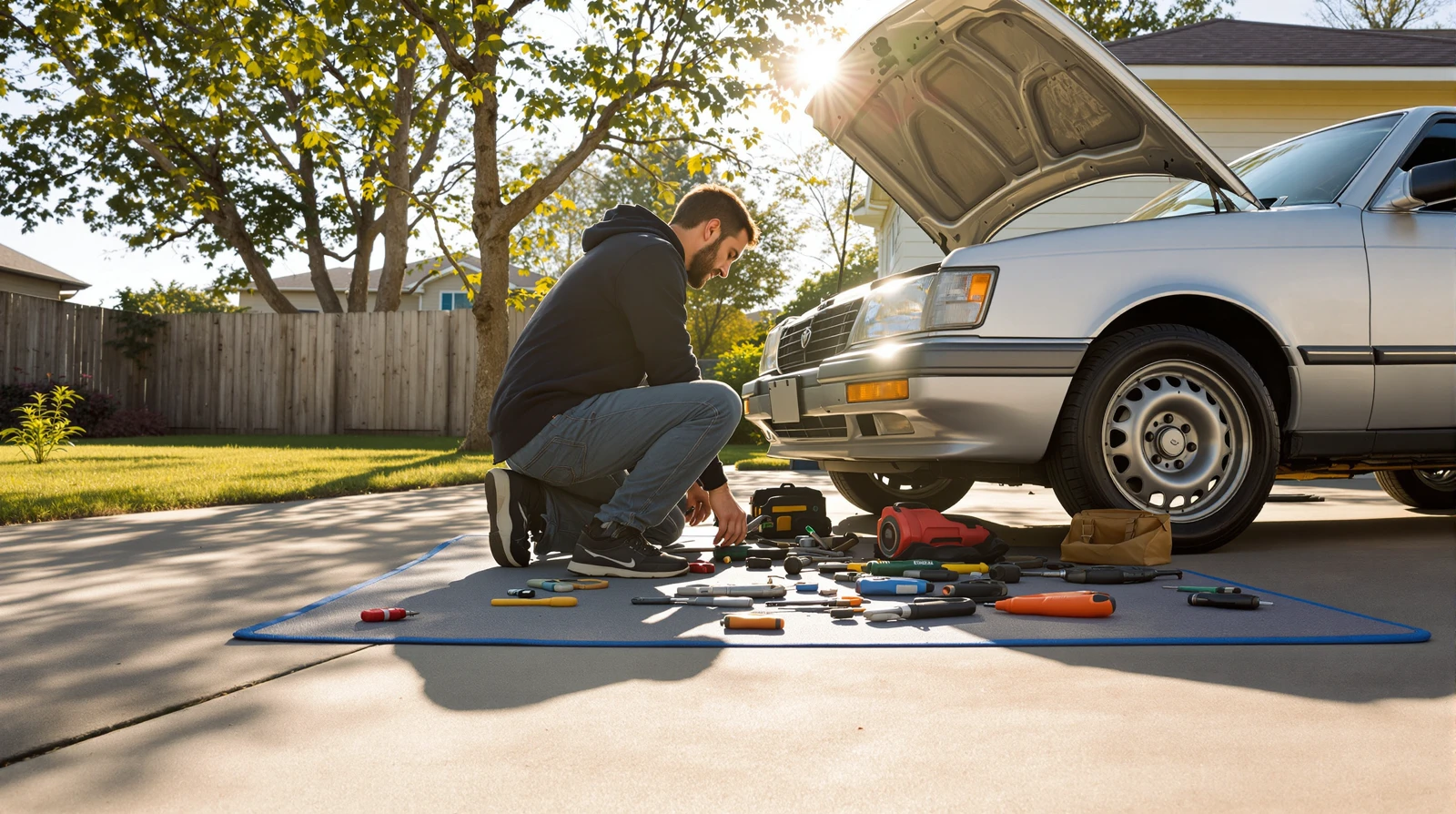
Loyd's Mobile Mechanic is a mobile auto repair business based in Tulsa, Oklahoma. We are not a shop with a waiting room and a bay you have to drive into. Instead of you coming to us, we load up the tools and come to your car. That one difference changes the whole repair experience. You do not have to figure out how to get a car that is already giving you trouble across town to a shop. You do not have to arrange a ride home and back. The car stays where it already is, and the work happens there. For a lot of people in Tulsa, that is less about convenience and more about what is actually possible when a vehicle will not safely move.
We handle **brake service, engine diagnostics, oil changes, suspension and steering, heating and A/C, and electrical work**, all done on location. Brakes are one of those systems that give warning signs before they fail completely, a squeal, a grind, a soft pedal, a pull to one side. Catching those early matters. Engine diagnostics means plugging in and reading what the car's computer is actually reporting instead of guessing at a check engine light. Oil changes keep the engine lubricated and cooler, which is basic maintenance that prevents bigger problems down the road. Suspension and steering affect how the car handles and how evenly the tires wear. Heating and A/C get overlooked until the weather makes them impossible to ignore. Electrical issues can be the hardest to pin down, which is where real diagnostic work earns its keep.
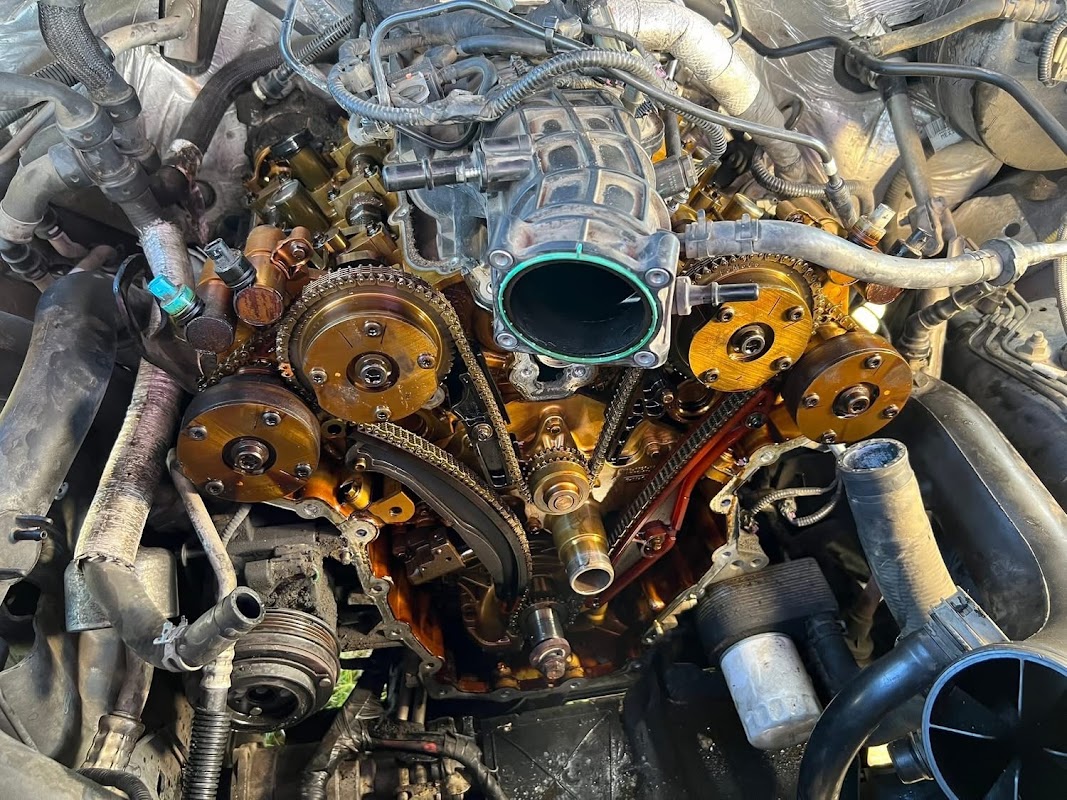
We serve Tulsa and nearby towns including Sapulpa, Kiefer, Sand Springs, Jenks, Kellyville, Glenpool, and Lotsee. That is a fairly wide stretch of the metro and surrounding area, which matters for a mobile operation. A car that quits in a driveway in Glenpool or a parking lot in Jenks is not a different kind of problem than one in midtown Tulsa, but it does mean the mechanic has to be willing to travel to where the car actually is. Covering this many towns means more people can get a mechanic to come look at a specific car problem without first solving the separate problem of how to move a vehicle that may not be safe to drive. The area served lines up with how people in this part of Oklahoma actually live and commute, spread out across several connected towns rather than packed into one city core.
Whether your car is parked at home, at work, or stuck on the side of the road, we come out and get to work on it where it sits. That phrase covers a lot of ground. A car in a home driveway is usually the easiest case, nothing blocking access, no rush, just a vehicle that needs attention. A car in a work parking lot adds a time pressure element, since most people cannot leave a vehicle there indefinitely. A car stuck on the side of the road is a different situation entirely, often unplanned and sometimes stressful, especially if it died suddenly or started making a noise that got worse by the mile. In all three cases, the approach is the same: show up, assess the vehicle, and start the repair in that location instead of requiring a tow somewhere else first.
There is a reason mobile repair makes sense for certain problems more than others. A car that clicks but won't crank is often a battery or starter issue, something that can be diagnosed and frequently fixed right where the car is parked, without ever needing to move it. The same goes for a car that is grinding on the way home, which is frequently a brake pad worn down past its wear indicator, scraping metal on metal. These are the kinds of problems that do not require a full shop environment, a lift, or specialized equipment that only exists in a garage. A mobile mechanic with the right tools and the right diagnostic equipment can handle a large share of common repair and maintenance work on location, which is the whole premise behind this kind of business.
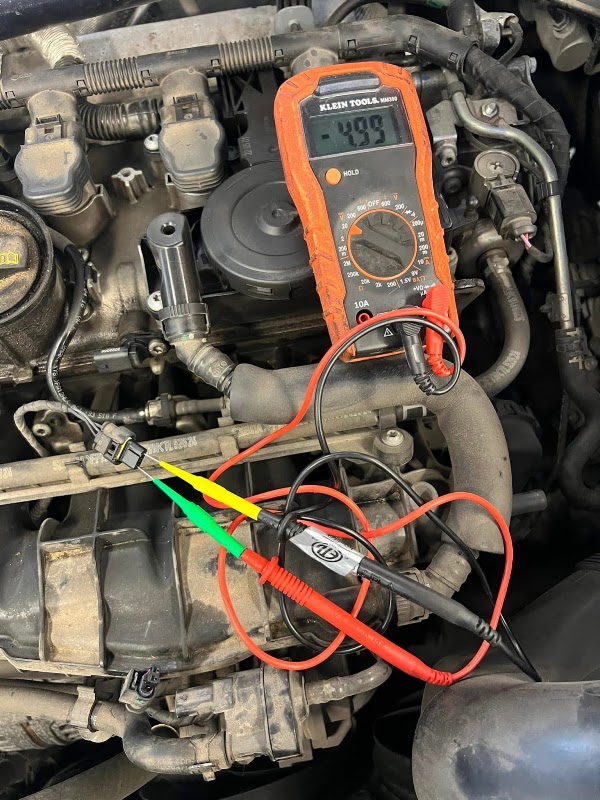
Engine diagnostics deserves a little more explanation because it is often misunderstood. Modern cars run on a network of sensors and a central computer that tracks engine performance, emissions, transmission behavior, and more. When something goes outside its expected range, the computer logs a code and often triggers the check engine light. Reading that code with a scan tool is the starting point, not the final answer. The code points toward a system or a component, but figuring out the actual cause, a bad sensor, a vacuum leak, a failing part, a wiring issue, takes knowledge and some hands-on checking. That is the difference between clearing a light and actually fixing what caused it to come on in the first place. Electrical problems follow a similar pattern, where tracing a short or a bad ground can take real diagnostic patience rather than just swapping parts and hoping.
Heating and A/C work, along with suspension and steering, round out the kind of general repair knowledge that keeps a car reliable through Oklahoma's weather swings. A/C systems rely on refrigerant pressure and a handful of components working together, and when one part fails the whole system can stop cooling even though everything else seems fine. Heating issues in winter often trace back to coolant levels or a blend door problem rather than anything exotic. Suspension and steering wear happens gradually, a worn bushing here, a tie rod end there, until the car starts to feel loose or pulls unexpectedly. Loyd's Mobile Mechanic works across all of these systems in Tulsa and the surrounding towns, bringing diagnostic tools and repair knowledge to the vehicle instead of asking the vehicle to come to a shop first.