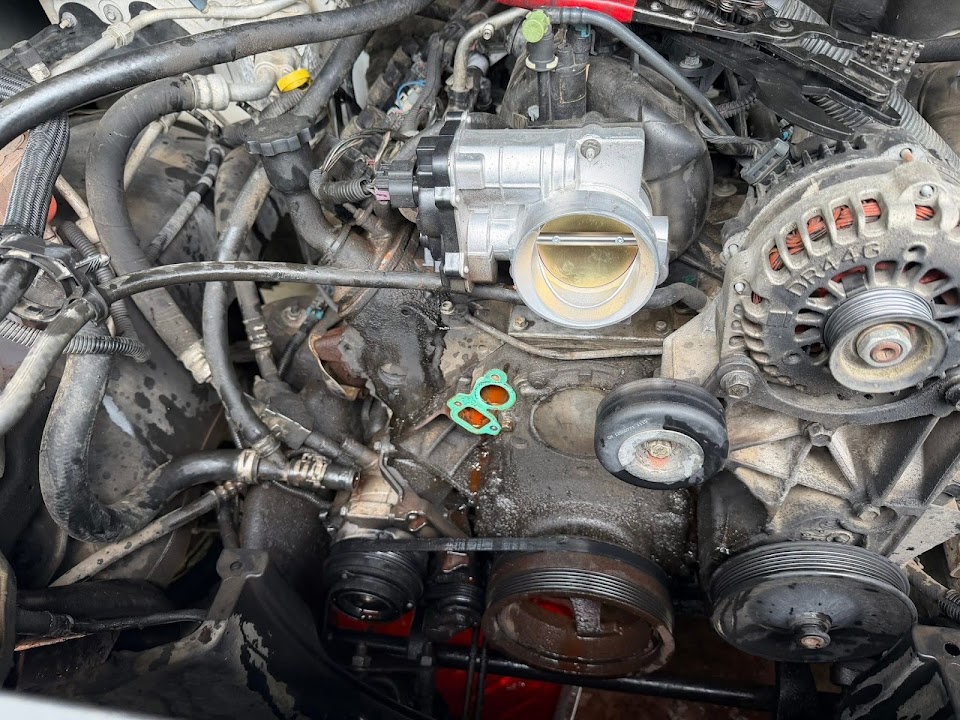
Loyd's Mobile Mechanic, LLC works on cars all over Tulsa, Oklahoma and the towns that circle it. That means we come to you instead of you coming to us. If your car is parked in your driveway in Sapulpa or sitting in a parking lot in Jenks, we can get to it and take a look. A lot of car trouble does not happen on your schedule or in a convenient spot. It happens on the way to work, in the grocery store lot, or right after you pull into the garage and the car will not start again. Having a mobile mechanic means you do not have to figure out how to get a dead car to a shop before anyone can even diagnose it.
We cover a good stretch of the area around Tulsa, including Sapulpa, Kiefer, and Sand Springs. We also work in Jenks, Kellyville, Glenpool, and Lotsee. That is a wide mix of neighborhoods, small towns, and rural roads, and the cars in each of them deal with different wear and tear. Gravel roads out past Kellyville kick up more dust and grit that gets into brakes and suspension parts. Stop and go traffic closer to downtown Tulsa puts more strain on brake pads and batteries. Wherever your car lives day to day, that environment shapes what tends to go wrong with it, and knowing the area helps us know what to check first.
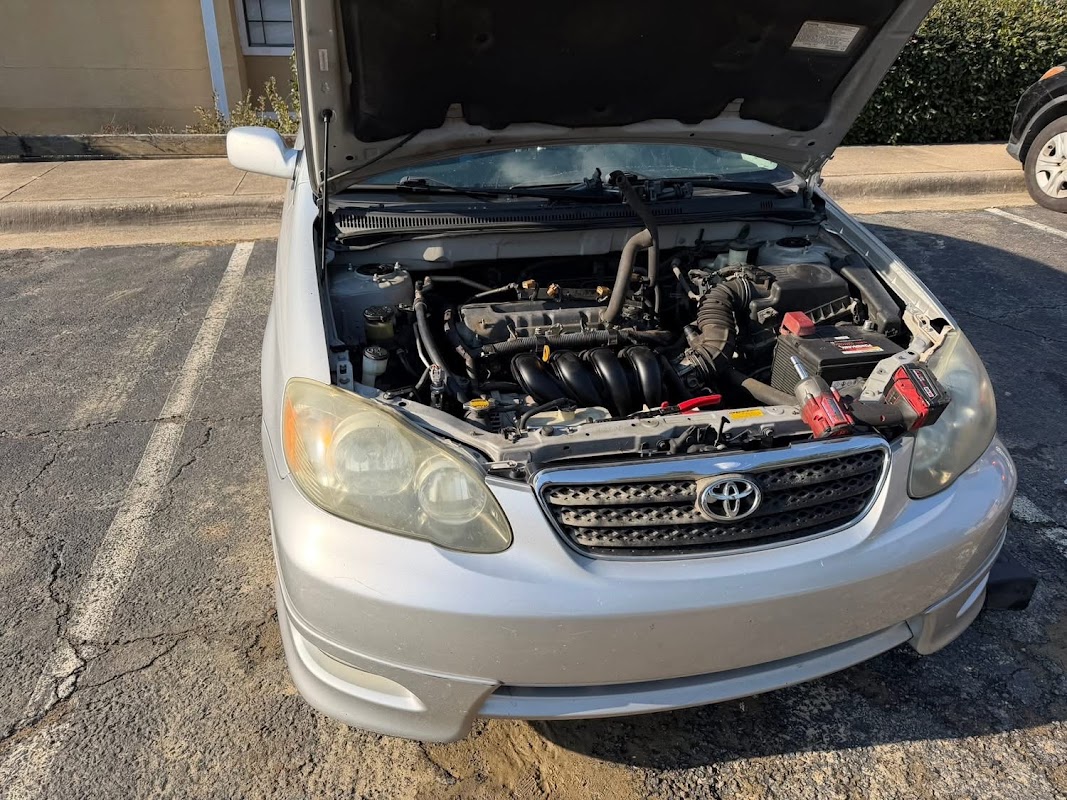
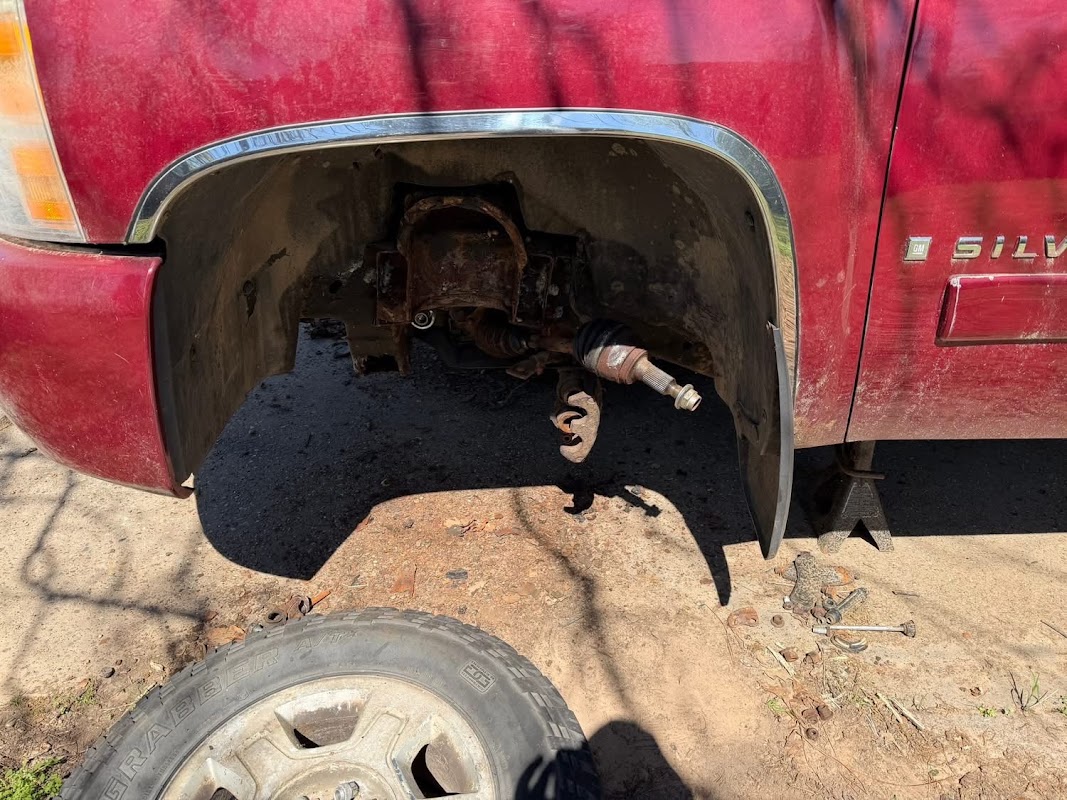
Brake service is one of the more common reasons people call a mechanic out, mostly because brakes give you warning signs before they fail completely. Squealing is usually the wear indicator doing its job. Grinding means the pads are gone and metal is hitting metal, which is harder on your rotors and your wallet. A soft pedal that sinks toward the floor can mean air or a leak in the brake line. We check pads, rotors, calipers, and the lines that carry brake fluid, since a problem in any one of those parts can make the whole system feel off. Catching it early usually means a simpler fix than waiting until the car cannot stop reliably.
Engine diagnostics come into play when that check engine light turns on, or when the car just does not feel right. Rough idle, hesitation when you hit the gas, or a sudden drop in fuel mileage can all point to something going on with sensors, fuel delivery, or ignition components. Modern engines run on a web of sensors feeding information to the car's computer, and when one of them reads wrong, the whole system can act up even if the actual part causing it seems unrelated to the symptom. We pull the codes and trace the problem back to its source instead of just reacting to the light itself, since the light only tells you something is wrong, not exactly what.
Oil changes sound simple, but they are one of the main things that keeps an engine from wearing out early. Oil lubricates moving metal parts and carries heat away from the engine as it runs. Over time it breaks down, picks up dirt, and loses its ability to protect those parts the way fresh oil does. Skipping oil changes or stretching them too long lets sludge build up and raises the chance of real engine damage down the road. We also look at suspension and steering components during visits like this, since loose tie rods, worn ball joints, or tired shocks can show up as pulling to one side, clunking over bumps, or a steering wheel that feels loose.
Heating and A/C problems usually show up right when you need that system the most, whether that is the middle of an Oklahoma summer or a cold snap in the winter. Weak airflow, warm air from the A/C, or heat that will not get hot enough can come from a few different places, including the compressor, blower motor, or blend door. Electrical issues tend to be trickier since a car's wiring touches almost everything, from the starter to the dashboard lights to the windows. A battery that clicks but will not crank, lights that flicker, or accessories that stop working can all trace back to a wiring or connection problem. We work through these systems piece by piece to find where the actual fault is sitting.